
Top Indian Agricultural Products with Strong Global Demand in 2026
A data-backed look at the products driving India’s agri export story—and what international buyers are sourcing most.
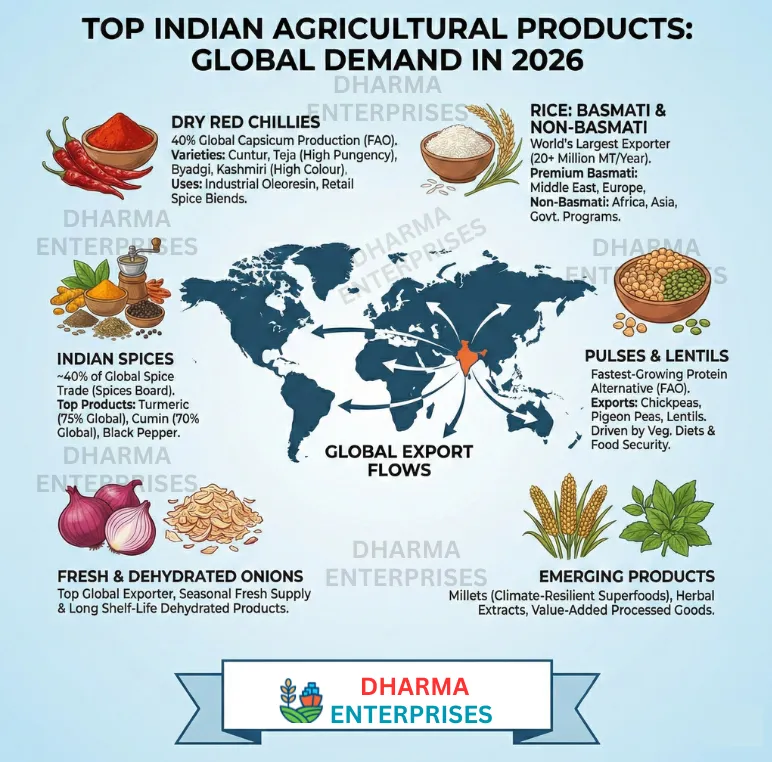
India’s still one of the world’s most important agricultural sourcing hubs. Climate diversity, large-scale cultivation, export-focused infrastructure, and shifting global food habits keep Indian agri products at the centre of international supply chains. The Ministry of Commerce puts agricultural and processed food exports at over USD 50 billion in recent years, with several categories showing steady demand growth—and the FAO consistently flags India as a leading supplier of spices, rice, pulses, and horticultural products. Below we run through the top Indian agricultural products with strong global demand in 2026, so buyers can see where the trends sit and where the opportunities are.
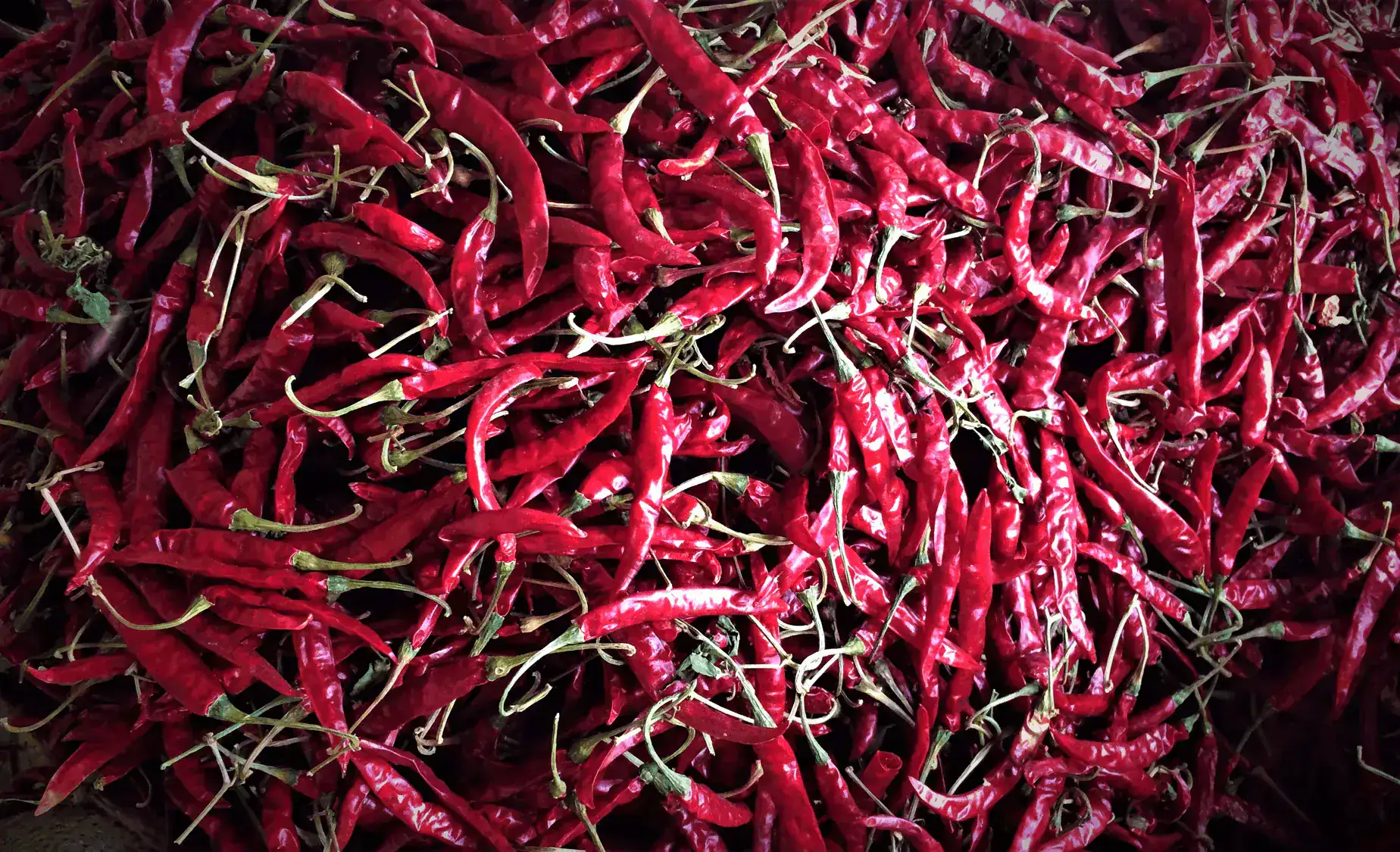
Dry red chillies: global processing and retail demand
India stays the largest producer and exporter of dry red chillies worldwide, with nearly 40% of global production (FAO, 2024, Global Capsicum Production Statistics).
Heat unit variations
Indian chillies are valued for their wide Scoville Heat Unit (SHU) range:
- Guntur and Teja varieties: High pungency (around 30,000–50,000 SHU).
- Byadgi and Kashmiri varieties: Low heat but high colour value.
- Hybrid varieties: Balanced pungency and colour for blended applications.
The Indian Institute of Spices Research notes that this variety-based heat flexibility lets exporters serve multiple industries—from spice blending to pharmaceutical capsaicin extraction (IISR, 2023, Capsicum Variety Performance Study).
Industrial use vs retail use
Industrial buyers use chillies for oleoresin extraction, processed food seasoning, and natural colourants. Retail demand centres on whole dried chillies, ground chilli powder, and premium culinary-grade spice packaging. Spices Board India reports that global demand for chilli-based extracts and spice blends keeps growing with the expansion of processed food industries (Spices Board India, 2024, Spice Export Performance Report).
Basmati and non-basmati rice export trends
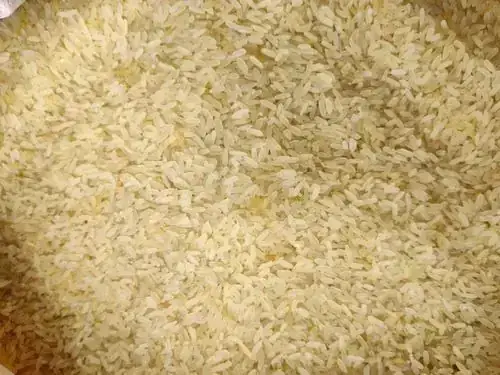
India has held its position as the world’s largest rice exporter for over a decade, shipping more than 20 million metric tonnes a year (APEDA, 2025, Rice Export Statistics).
Premium vs volume rice markets
Premium segment – Basmati rice: Long-grain aromatic rice; high-value export; strong demand in the Middle East, Europe, and North America.
Volume segment – Non-basmati rice: IR64, Sona Masoori, Swarna, and parboiled rice serve as staple food for Africa and Asia and feed large-scale government import programmes. The International Grain Council confirms that staple rice imports are rising in Africa and Southeast Asia because of population growth and food security programmes (IGC, 2024, Global Rice Market Report).
Regional buyer preferences
- Middle East: Premium basmati rice.
- Africa: Parboiled and broken rice.
- Southeast Asia: Medium-grain and non-aromatic rice.
- Western markets: Organic and specialty rice varieties.
Indian spices dominating global supply chains
India exports spices to over 180 countries and contributes nearly 40% of global spice trade volume (Spices Board India, 2024, Global Spice Trade Overview).
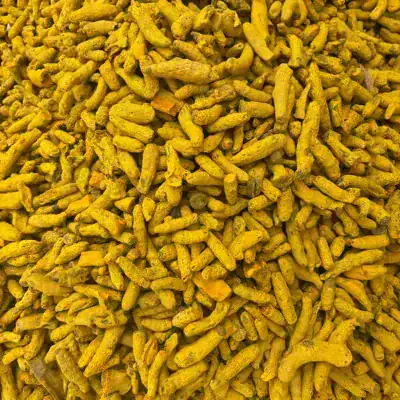
Turmeric: India produces nearly 75% of the world’s turmeric. Demand is rising on the back of curcumin’s health benefits and use in nutraceuticals (Grand View Research, 2024, Turmeric Market Analysis).
Cumin: India accounts for nearly 70% of global cumin production, with strong demand in Middle Eastern, North African, and European cuisines (FAO, 2024, Global Seed Spice Production Data).
Coriander: Widely used in global spice blends and processed foods; India is among the top global suppliers, especially to Southeast Asia and the Gulf.
Black pepper: India remains one of the most trusted suppliers of high-quality pepper, especially Malabar and Tellicherry varieties, and pepper demand continues to grow in global seasoning industries.
The global spice market is projected to grow steadily with increasing demand for natural flavouring and plant-based ingredients (Mordor Intelligence, 2025, Global Spice Industry Forecast).
Pulses and lentils: growing protein market demand
Global demand for plant-based protein has driven higher trade in pulses and lentils.
Increasing global vegetarian consumption
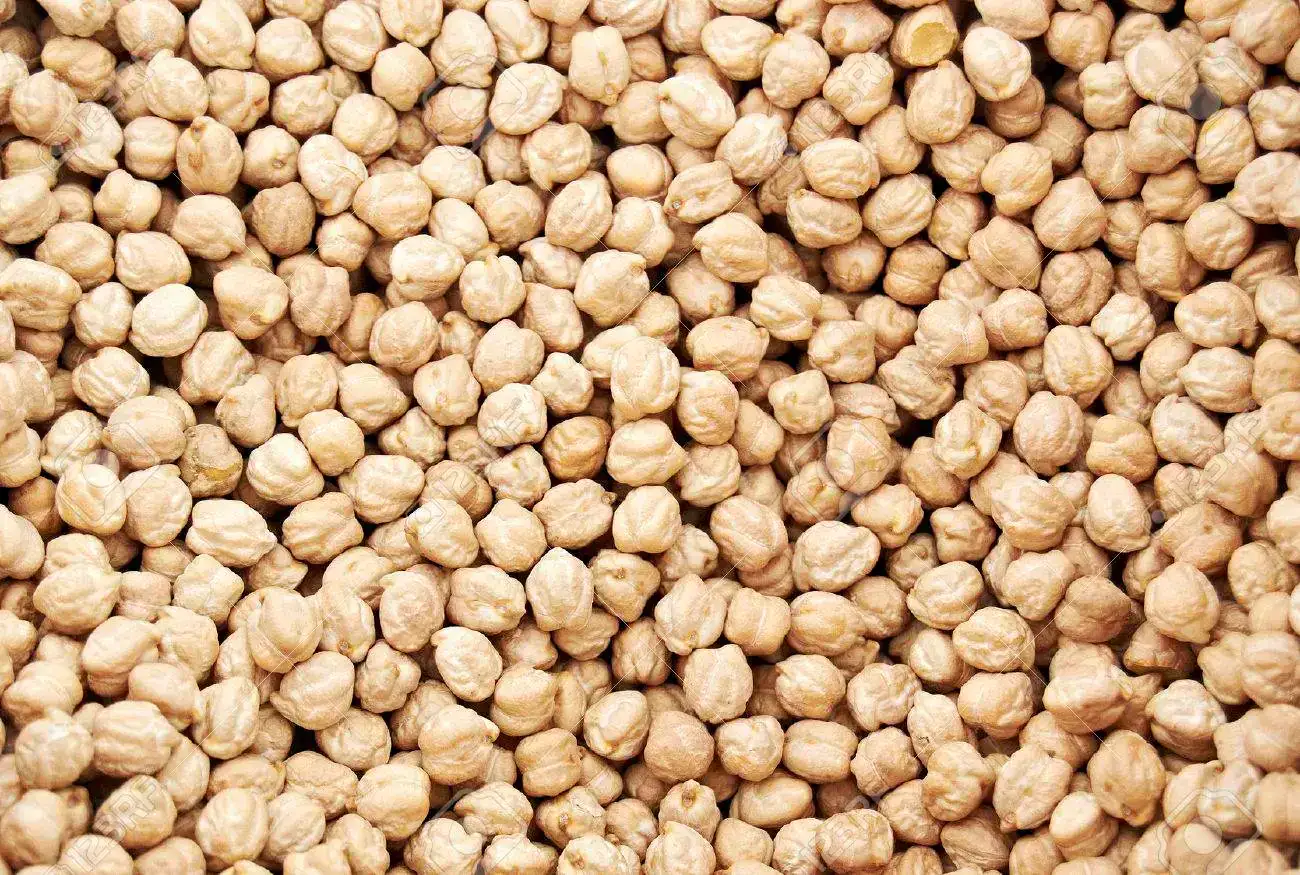
The FAO ranks pulses among the fastest-growing protein alternatives because of rising health awareness and adoption of vegetarian diets (FAO, 2024, Global Pulses Market Outlook). India exports chickpeas, pigeon peas, lentils, green gram, and black gram.
Government-driven import demand
Many countries source pulses through government food security programmes—including Bangladesh, Middle Eastern countries, and African staple food programmes. Pulses provide affordable protein and are central to global nutrition security initiatives.
Fresh and dehydrated onion export markets
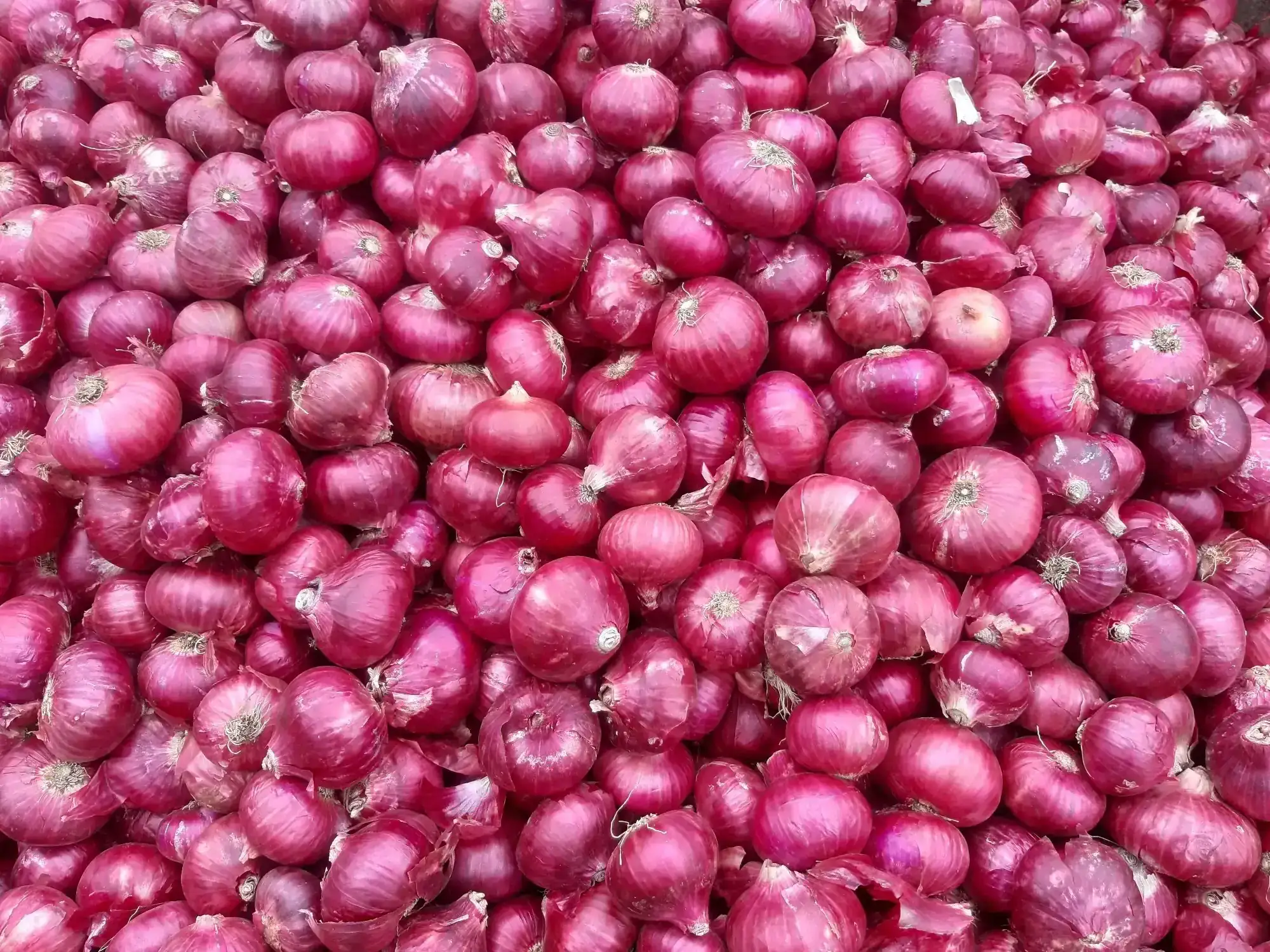
India ranks among the largest onion exporters globally, supplying both fresh and dehydrated onion products.
Seasonal demand patterns
Fresh onion exports follow harvest cycles, but India’s multiple growing regions allow staggered supply. Major importing countries include Bangladesh, Malaysia, Sri Lanka, and Gulf countries. The National Horticulture Board reports that onion export volumes move with the season but stay strong thanks to year-round domestic production capacity (NHB, 2024, Onion Export Market Report).
Storage and shelf life advantages
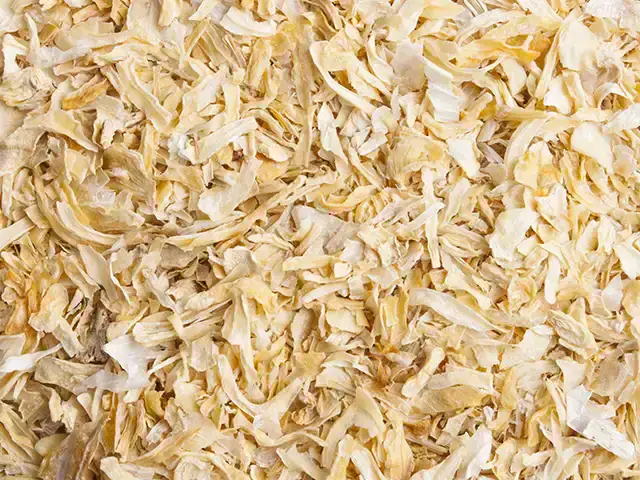
Improved cold storage infrastructure in India supports longer shelf life for fresh onions. Dehydrated onion products are gaining ground because of longer shelf stability, convenience in food processing, and lower logistics costs. The global dehydrated vegetable market is expected to grow with rising demand in ready-to-eat food manufacturing (IMARC Group, 2025, Dehydrated Vegetable Market Outlook).
Emerging products buyers are starting to source from India
Millets
Millets are gaining global recognition as climate-resilient superfoods. The United Nations declared 2023 the International Year of Millets, which boosted global interest in Indian millet exports (UN FAO, 2023, International Year of Millets Report). Finger millet, pearl millet, and sorghum are increasingly used in health foods and gluten-free diets.
Herbal and medicinal plant exports
Demand for Ayurvedic and herbal products is expanding worldwide. India exports ashwagandha, moringa, turmeric extracts, and other medicinal herbs. The global herbal medicine market is projected to grow steadily with natural wellness trends (WHO, 2024, Traditional Medicine Global Report).
Value-added processed agricultural goods
Buyers are increasingly sourcing spice blends, ready-to-cook food ingredients, dehydrated vegetables, and packaged pulses. Value-added exports help buyers cut processing costs while getting standardised product quality.
Conclusion
India’s agricultural export sector keeps evolving with global food consumption trends. Products like dry red chillies, rice, spices, pulses, onions, and emerging superfoods show strong global demand, backed by India’s large-scale production and climatic advantages. As food security, plant-based nutrition, and demand for natural ingredients grow, India’s role as a strategic agricultural sourcing partner is set to strengthen further. For international buyers looking for reliable supply chains, diversified product portfolios, and competitive pricing, Indian agricultural exports remain one of the most dependable options in global trade.
Connect with us
Sourcing top Indian agri products? Get in touch for product specs, availability, and quotes.
Get a quote nowSources: India Ministry of Commerce; FAO (Global Capsicum Production, Seed Spice Production, Pulses Market Outlook, International Year of Millets); APEDA (Rice Export Statistics); Spices Board India (Spice Export Performance, Global Spice Trade Overview); Indian Institute of Spices Research (Capsicum Variety Performance); International Grain Council (Global Rice Market Report); Grand View Research (Turmeric Market Analysis); Mordor Intelligence (Global Spice Industry Forecast); National Horticulture Board (Onion Export Market Report); IMARC Group (Dehydrated Vegetable Market Outlook); WHO (Traditional Medicine Global Report).